25 Screen-Free Activities That Build Kindergarten Skills

If you’ve ever looked around your house and thought, “I should probably be doing something educational with my toddler,” I’ve got good news.
You probably already are.

As a former kindergarten teacher and now a stay-at-home mom to two toddlers, I’ve learned that some of the best learning happens during the simplest moments. You don’t need expensive learning kits, printable worksheets, or hours of structured lessons.
You need a handful of everyday items, a little curiosity, and plenty of time to play.
These are the kinds of activities that build the skills children use in kindergarten—without feeling like school.
This post contains affiliate links. As an Amazon Associate, I earn from qualifying purchases at no extra cost to you.
Fine Motor Skills
These activities strengthen the small muscles in your child’s hands, wrists, and fingers. Strong fine motor skills make it easier to hold a pencil, cut with scissors, zip jackets, button shirts, and complete classroom tasks.
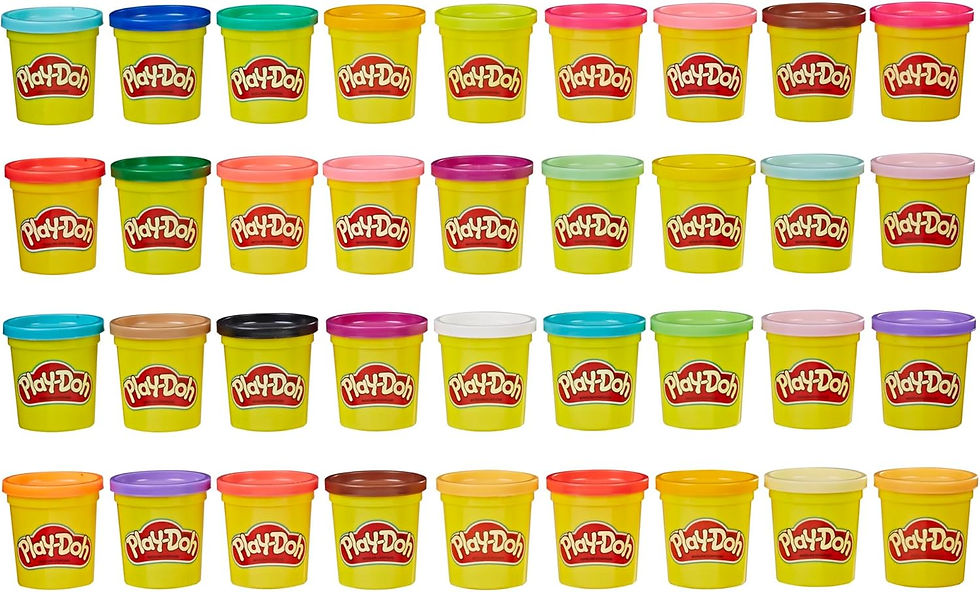
1. Play Dough Bakery
Set out play dough, cookie cutters, plastic knives, rolling pins, and cupcake liners.
Your child can:
Roll dough into “cookies”
Cut pretend brownies
Make birthday cakes
Decorate pizzas
Kindergarten skills they’re building:
Hand strength
Bilateral coordination
Creativity
Pretend play

2. Sticker Rescue
Place painter’s tape across a table or doorway and stick stickers to it.
Challenge your child to peel every sticker off.
This simple activity builds finger strength while keeping little hands busy.
3. Pom-Pom Transfer
Using kitchen tongs, tweezers, clothespins, or even spoons, have your child move pom-poms between bowls.
Want to make it harder?
Sort them by color while transferring them.

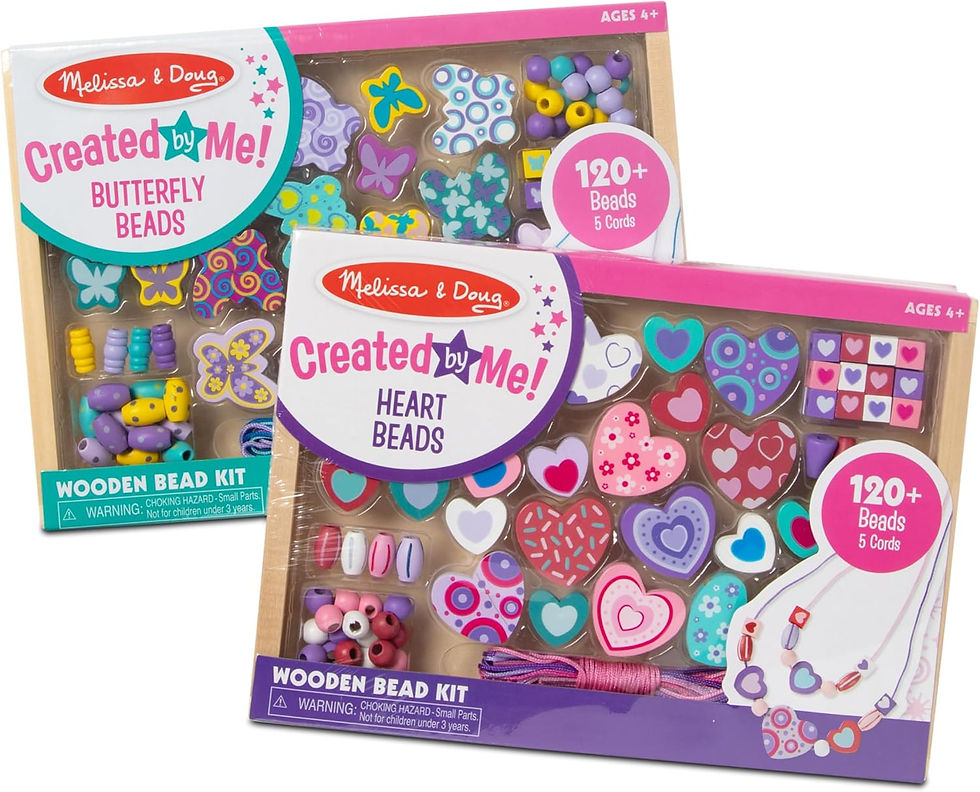
4. Bead Threading
String large beads, cereal, or cut pool noodles onto shoelaces or pipe cleaners.
Besides fine motor practice, children naturally begin making patterns.

Language Development
Children learn language through conversations—not flashcards.
The more they hear and use words, the stronger readers they’ll become later.
5. Grocery Store Pretend Play
Set up empty cereal boxes, canned goods, reusable grocery bags, and pretend money.
Take turns being the cashier.
Ask questions like:
“What are you buying today?”
“Can you find something that’s red?”
“What should we cook for dinner?”
Vocabulary grows naturally through play.

6. Story Basket
Fill a basket with random objects:
Toy dinosaur
Spoon
Stuffed bear
Rock
Car
Challenge your child to create a story using every object.
There are no wrong answers.
7. Read the Same Book Every Night
Parents often apologize for reading the same book over and over.
Don’t.
Repetition builds vocabulary, comprehension, sequencing, and confidence.
Each reading helps children notice something new.
8. Go on a “Word Hunt”
Pick one word for the day.
Maybe “circle.”
Spend the day finding circles everywhere:
Clock
Plate
Tire
Cookie
Button
This builds vocabulary while helping children notice the world around them.
Early Math Skills
Math for toddlers isn’t worksheets.
It’s noticing patterns, quantities, and relationships.
9. Count Everything
Count:
Stairs
Blueberries
Cars
Socks
Books
Toy animals
Stairs
I love counting while I finish brushing the girl's teeth. It is an easy way to add counting in so they are familiar with counting to a higher number.
The more counting becomes part of everyday life, the more meaningful numbers become.
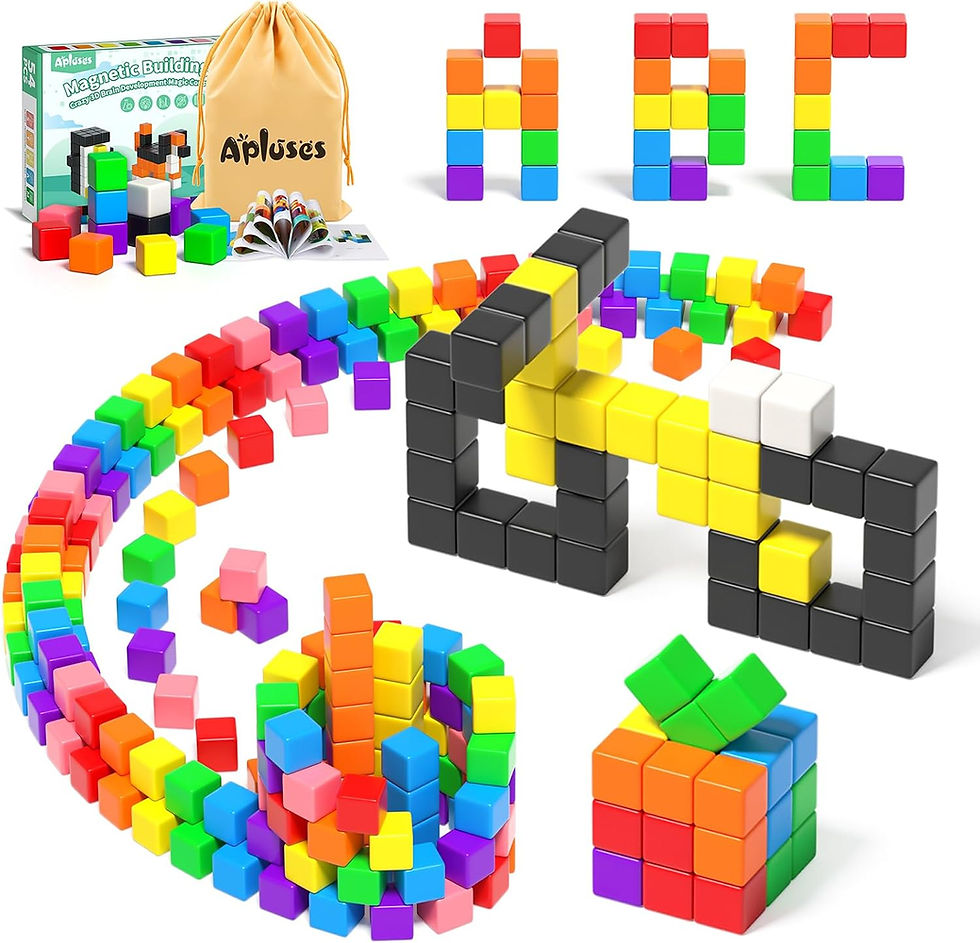
10. Build Pattern Towers

Use blocks or Duplo bricks.
Create patterns:
Red, blue, red, blue…
Big, small, big, small…
Ask your child:
“What comes next?”
Pattern recognition is an important early math skill.
11. Snack Math
During snack time ask:
“Who has more crackers?”
“If we eat one, how many are left?”
“Can you make two groups?”
No worksheets required.
12. Laundry Sorting
Sorting socks by:
Color
Size
Family member
Pattern
This teaches classification, comparison, and organization.
Shapes & Spatial Awareness
Children begin recognizing shapes long before they draw perfect ones.
13. Shape Hunt
Walk through your home looking for:
Squares
Circles
Triangles
Rectangles
You’ll be surprised how quickly toddlers begin spotting them everywhere.
14. Build a Block City
Challenge your child to build:
A bridge
A garage
A castle
A zoo
They’ll learn about balance, stability, planning, and engineering.
15. Puzzle Time
Even simple wooden puzzles teach:
Spatial awareness
Persistence
Visual discrimination
Problem solving
Resist the urge to help too quickly.
The struggle is where learning happens.
Problem Solving
Kindergarten is full of moments when children need to think independently.
Play prepares them for that.
16. Obstacle Course
Use couch cushions, masking tape, chairs, and tunnels.
Ask:
“How can we get across without touching the floor?”
Children naturally experiment and adjust their plans.
17. Mystery Box
Place an object inside a bag.
Without looking, let your child describe what they feel.
Soft?
Round?
Bumpy?
Guessing encourages observation and critical thinking.
18. Building Challenges
Try prompts like:
“Can you build a tower taller than your stuffed bear?”
“Can you build something that won’t fall over?”
Failures become opportunities to problem solve.
19. Sink or Float
Fill a tub with water.
Collect household objects.
Before dropping each one in, ask:
“What do you think will happen?”
The prediction is just as valuable as the result.
Social-Emotional Skills
Academic success begins with emotional skills.
Children who can manage emotions, cooperate, and communicate often have an easier time adjusting to kindergarten.
20. Stuffed Animal Feelings
Line up stuffed animals.
Ask:
“Who looks happy?”
“Who might feel nervous?”
“What could we do to help?”
Children learn empathy by talking about feelings.
21. Take Turns Building
Build one block at a time.
Your turn.
Their turn.
Practice waiting, sharing, and encouraging one another.
22. Act Out Everyday Situations
Pretend:
First day of school
Going to the doctor
Making a new friend
Losing a toy
Role-playing gives children safe opportunities to practice handling emotions.
Independence
Kindergarten teachers love children who are willing to try things for themselves.
These activities help build that confidence.
23. Snack Helper
Let your child:
Wash fruit
Spread peanut butter
Pour water
Carry napkins
They’ll feel proud contributing to the family.
24. Dress the Teddy Bear
Practice:
Buttons
Zippers
Velcro
Shoes
These everyday skills help children become more independent before kindergarten.
25. Clean-Up Challenge
Instead of saying:
“Clean your toys.”
Try:
“Can you find every red toy?”
“Can all the books go back on the shelf?”
“Can we beat the timer?”
Cleaning becomes a game while teaching responsibility, sorting, and following directions.
The Best Part? Your Child Thinks They’re Just Playing.
One of my favorite things about toddlerhood is that children don’t separate learning from play.
To them, building a fort is exciting.
Pretending to run a grocery store is fun.
Sorting socks feels like a game.
But underneath those playful moments, they’re developing the exact skills they’ll need in kindergarten: communication, confidence, persistence, creativity, problem-solving, self-control, and independence.
As a former kindergarten teacher, I can tell you that these foundational skills matter just as much—if not more—than memorizing flashcards or completing worksheets.
So the next time your child spends 30 minutes building towers, stirring imaginary soup, or lining up toy cars, remember this:
They aren’t just playing.
They’re building the foundation for a lifetime of learning.
And that’s one of the most important jobs they’ll ever have.
Comments